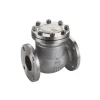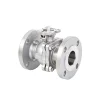
Valves are core control components in fluid transmission systems, mainly used to control the direction, pressure, flow, and temperature of fluid in pipelines.
The sealing performance of a valve is considered its “lifeline” and is one of the most important measures of valve quality. Any visible leakage or internal leakage needs to be dealt with promptly. Valve leakage is far from just a ‘small problem’; it affects production safety, energy conservation, product quality, and environmental protection.
Newly purchased valves generally have good sealing, but how can we ensure the sealing of valves that have been used for a long time?
- Repair worn sealing surfaces: For sealing surfaces with pitting or scratches, use coarse, medium, and fine grinding processes to restore them. For severely worn surfaces, TIG welding can be done first, followed by turning and grinding to restore the flatness and smoothness of the sealing surface.
- Replace aging seals: Choose corrosion-resistant and wear-resistant sealing materials like silicone, fluororubber, or PTFE suitable for the working conditions, and replace aging or deformed packings and gaskets. Ensure even stress when installing.
- Regular cleaning and maintenance: Disassemble the valve regularly to remove internal accumulated debris and scale, preventing particles from scratching the sealing surface. Apply appropriate lubricants to parts like the valve stem threads to prevent jamming and ensure proper sealing contact.
- Optimize operation and structural adjustments: Adjust valve tightness to avoid being too tight or too loose. Increasing sealing contact pressure and strengthening the sealing effect can be done by adjusting flow direction to be shut-off type or enhancing actuator thrust.