
News & Events
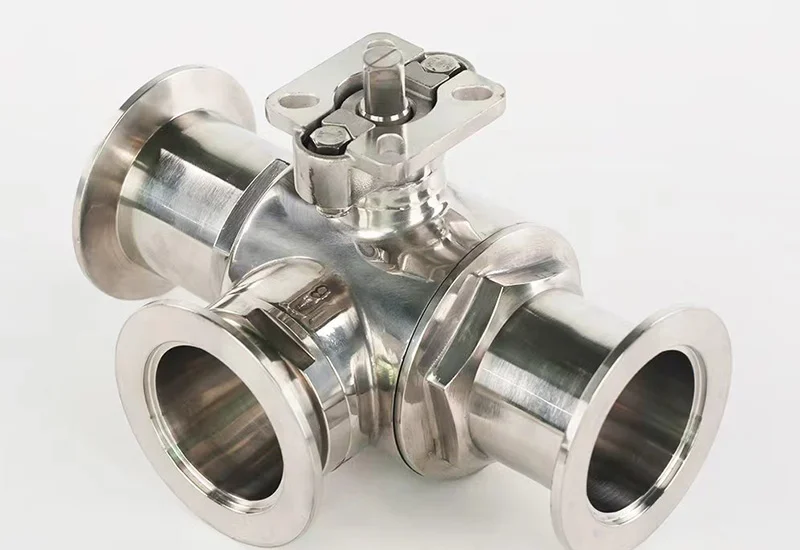
The liquid cooling industry (especially data center cold plate and CDU loops) has core requirements for valves centered on clean materials, corrosion resistance, low flow resistance, and leak prevention. Stainless steel (SUS304/316L) is generally required, and connection methods tend toward welding, clamp, or quick-connect to avoid blockage and contamination caused by PTFE tape or thread sealant.
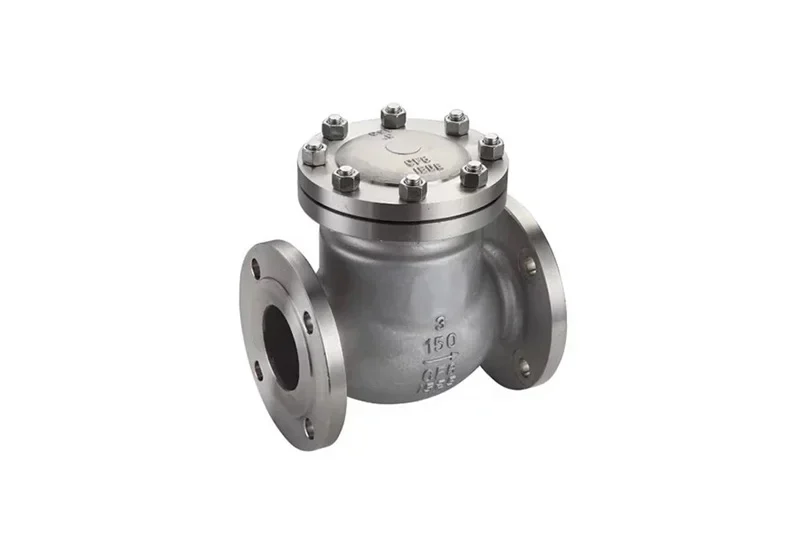
Check valves play a vital role in ensuring the continuous operation of pumps, maintaining pressure within vessels, and minimizing material loss in the event of a pipeline rupture or damage. They are found everywhere—from large-diameter industrial piping to the intricate, miniature plumbing systems used in precision equipment.
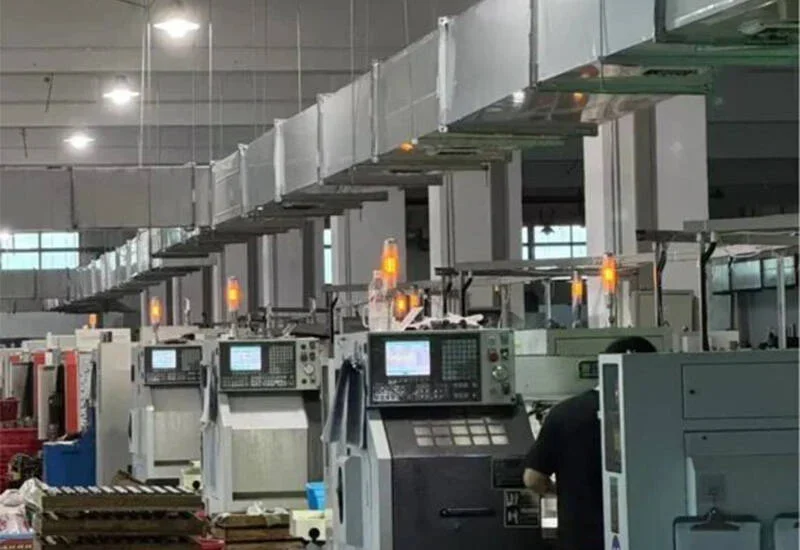
The stainless steel valve manufacturer outlines connection options and integrated production capabilities for industrial fluid control applications.
WENZHOU, China一 ONE-VALVE TIME TECHNOLOGY CO.,LTD.is highlighting its flanged and threaded ball valve ranges, helping industrial buyers understand the available configurations when selecting valves for pipeline systems. The company supplies stainless steel valves for applications including oil and gas, water treatment, chemical processing, energy, and pharmaceuticals.

Flanged ball valves serve as core control components in industrial piping systems. Their most distinctive feature is the presence of flanges at both ends of the valve body, which connect directly to pipeline flanges via bolts.
Online Contact